So, what’s the deal with political geography? Picture this: political boundaries shape our world, like an oversized game of chess, but without the fun pieces (sorry, pawns.). In a realm where countries fall in and out of favor and borders are as fiercely debated as pineapple on pizza, understanding political geography becomes essential. From disputes over territory to the influence of governments on cultures, political geography dives deep into how politics and space collide. Buckle up, because we’re about to traverse this intriguing landscape.
Understanding Political Geography
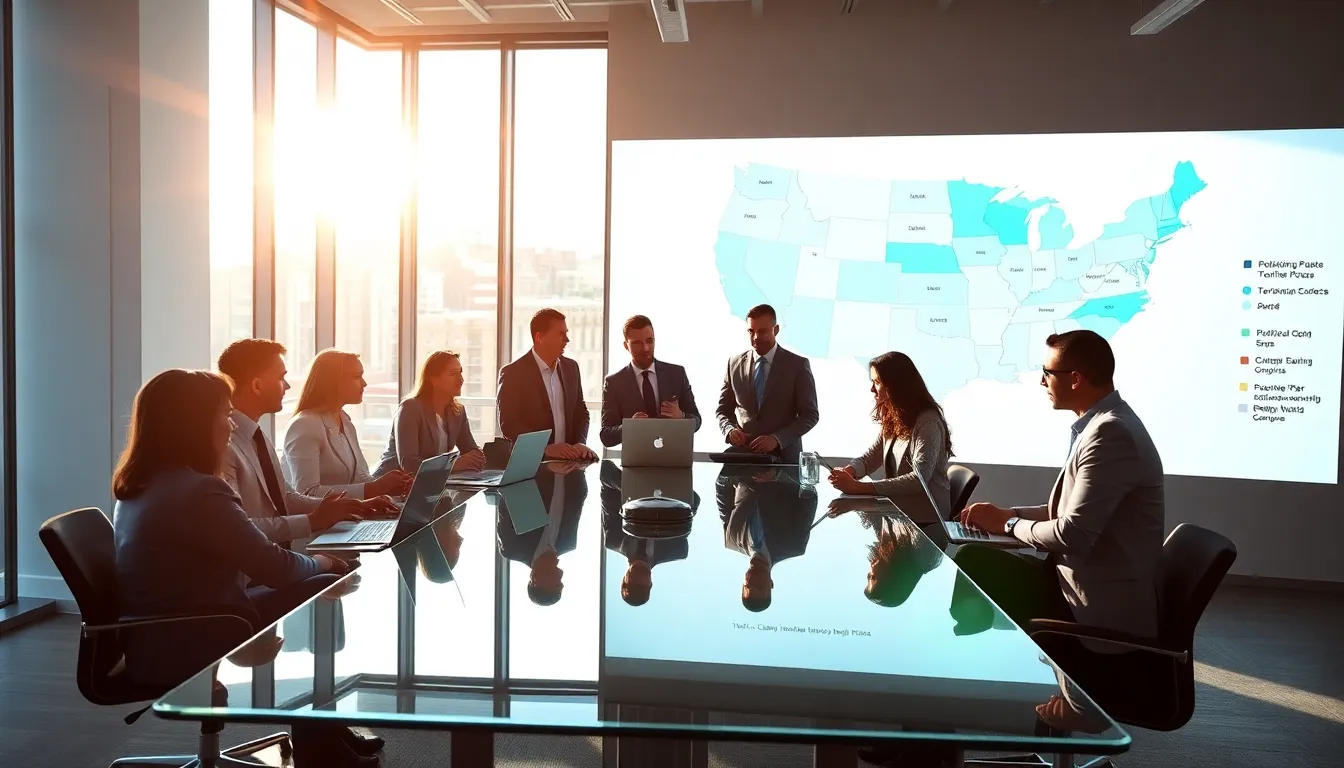
Political geography examines the relationship between political systems and geographical space. It relates to how space is organized politically and how that organization influences people’s lives. It encompasses everything from state boundaries and voting districts to the territorial claims of nations. This field allows us to analyze power dynamics, the movement of people and goods, and the social and environmental consequences of policies. Essentially, political geography provides a lens through which we can understand the spatial aspects of political behavior.
Key Concepts in Political Geography
Several key concepts underpin political geography:
- Territory: The core unit of analysis, referring to the area within a state’s borders. Understanding territory entails examining how nations delineate their space and enforce their authority.
- Sovereignty: This principle signifies a state’s supreme authority within its territory, free from external interference. The ongoing debates about sovereignty and self-determination remain critical in areas like Taiwan and Kosovo.
- State vs. Nation: It’s crucial to distinguish between a state (a political entity) and a nation (a cultural group). The interplay between these two concepts can lead to conflicts, particularly in regions with multiple ethnic groups.
- Geopolitics: This examines geographic influences on power relationships in international relations. Think of it as chess on a global scale, where location, resources, and alliances matter as much as strategy.
Historical Context of Political Geography
The roots of political geography can be traced back to the ancient Greeks and their attempts to analyze city-states. But, modern political geography began gaining traction in the 19th and 20th centuries. Figures such as Friedrich Ratzel and Karl Haushofer helped shape its foundations by linking geography to political power.
In the wake of World Wars I and II, the significance of space and territory became ever more apparent. Global conflicts often had geographical dimensions, racial tensions were particularly heightened by territorial disputes. As empires fell and new nation-states emerged, political geography’s relevance surged. In the age of nationalism, how borders were drawn often dictated the fate of millions.
Methods and Approaches in Political Geography
Political geographers employ various methods to study the interplay between politics and space. Some popular techniques include:
- Qualitative Analysis: This involves in-depth case studies and interviews, providing a deeper understanding of the motivations behind political actions.
- Quantitative Methods: These include surveys and statistical analyses, delivering concrete data on voter behavior and demographic shifts.
- GIS (Geographic Information Systems): This technology visualizes data, enabling researchers to map political events and trends spatially. By layering different types of information, GIS offers insights into complex geopolitical issues.
Current Issues in Political Geography
In today’s world, political geography is more relevant than ever. Current issues include:
- Territorial Disputes: From the South China Sea to the Arctic, nations are vying for control over valuable resources.
- Migration: As people move across borders seeking better opportunities, understanding the political ramifications becomes crucial. This migration reshapes electoral landscapes and cultural dynamics.
- Climate Change: Environmental shifts are creating new geopolitical tensions. Countries are reevaluating their boundaries and resources in response to rising sea levels and natural disasters. Ensuring environmental sustainability while pursuing political interests poses a significant challenge.
The Future of Political Geography
As the world becomes increasingly interconnected, political geography will evolve. Potential trends include:
- Rise of Technology: The internet and social media are transforming political landscapes, influencing everything from grassroots movements to international relations.
- Globalization: As economies become more interlinked, traditional borders may become less significant. But, local identities and cultures can rise, leading to a complex dance between global and local politics.
- Environmental Politics: With climate issues gaining prominence, political geography will increasingly incorporate sustainability into its analyses. The interplay between natural resources and human governance could redefine borders and alliances.