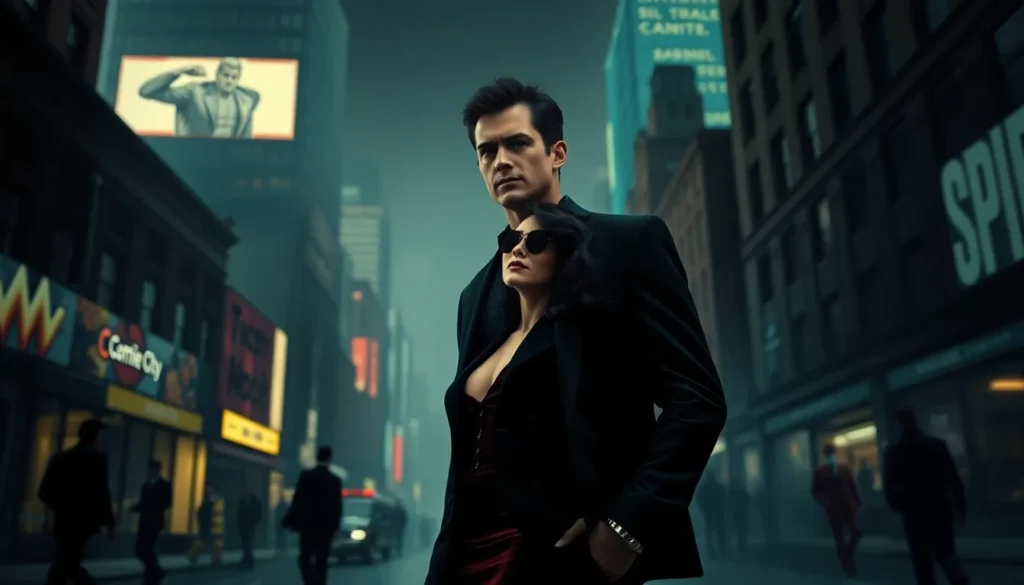
Ever wondered how a comic book could jump from the pages to the silver screen with a splash? Enter The Spirit Movie, a visually striking adaptation that dives headfirst into the charming chaos of 1940s crime-fighting. With its quirky narrative and a dazzling visual palette, the film is more than just a movie: it’s an explosion of style, character, and action that might make you wonder, “Did I really just watch a comic book come to life?” Get ready to explore the intriguing realm behind The Spirit, from its origins to its legacy.
The Origins of The Spirit
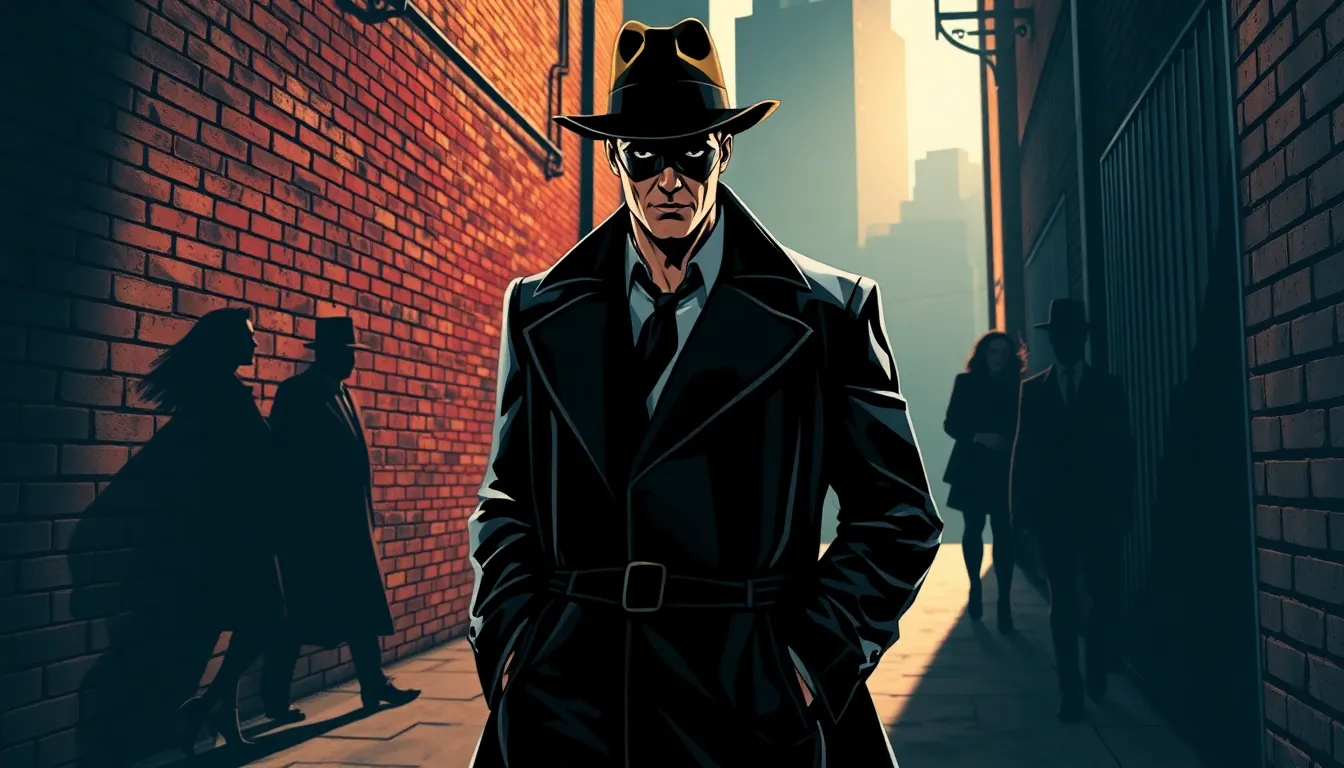
In 1940, a new superhero emerged from the creative mind of Will Eisner. The Spirit was originally introduced in a Sunday newspaper insert and quickly forged a path through the golden age of comics. Eisner’s creation had an iconic yet unorthodox charm, featuring a character who was a unique blend of heroism and noir elements. While the traditional superhero was often adorned with fanciful capes and tights, The Spirit upheld a more relatable aesthetic. He donned a fedora and a mask, opting for a trench coat instead of the typical spandex. Eisner’s storytelling pushed boundaries by incorporating a gritty urban backdrop paired with stunning visuals, making each comic an experience rather than just a read.
The Spirit’s adventures were set in the fictional Central City, a bustling metropolis filled with crime, corruption, and larger-than-life characters. Eisner wasn’t just crafting a hero: he was creating a universe that resonated with the social issues of his time. From mobsters to femme fatales, the interactions reflected the complexities of human nature, drawing readers into the vibrant world of The Spirit.
The Story Behind the Film Adaptation
Fast forward to December 2008, the year The Spirit Movie flickered to life on movie screens. Directed by Frank Miller, who is no stranger to comic adaptations with his work on 300 and Sin City, the film aimed to capture the essence of Eisner’s iconic creation. But, it faced challenges right from its inception. Critics pointed out that while the film mirrored the visual style of the original comics, it struggled to translate the depth of characters and story into a coherent cinematic experience.
The narrative follows Denny Colt, aka The Spirit, played by Gabriel Macht. Resurrected from the dead, The Spirit fights crime while grappling with complex relationships, and a complicated past. While the film retained a degree of humor, the tone often veered into overly stylized territory, eliciting mixed reactions from audiences. Unlike Eisner’s work, which balanced dark elements with an undercurrent of wit, the adaptation sometimes felt like it was aiming for a more superficial impact.
Key Characters and Their Significance
The film features a colorful cast, each bringing a unique flavor to the storyline. The Spirit, as the titular character, embodies the battle against crime while reflecting Eisner’s blend of charm and vulnerability.
Silken Floss, portrayed by Scarlett Johansson, is one of the most intriguing characters. She serves as a femme fatale, complete with layers of complexity that challenge The Spirit’s perception of good and evil. Floss, a criminal mastermind with a flair for drama, creates tension that keeps viewers on their toes. Then there’s Octopus, the film’s main antagonist played by Samuel L. Jackson, whose over-the-top villainy adds an entertaining note, albeit sometimes comically exaggerated. Yet, in moments, his character dives into the psychological complexities of evil, providing a stark contrast to The Spirit’s morality.
Other notable characters include Ellen Dolan, The Spirit’s love interest, whose tenacity displays the female strength emblematic of Eisner’s original narrative style, and The Detective, representing the law’s struggle against crime. These characters significantly contribute to the film’s exploration of themes such as love, loyalty, and redemption.
Visual Style and Cinematic Techniques
Diving into the visual realm of The Spirit Movie, one immediately notices the influences of both noir aesthetics and vivid colors, reminiscent of Eisner’s comic artwork. Frank Miller’s direction is characterized by stark contrasts and dramatic lighting that enhances the overall atmosphere of the film. This bold visual approach grabs attention and routinely evokes the feeling of flipping through a comic book.
The movie is a tapestry woven with vibrant colors and striking imagery, blending CGI with practical effects, which is a hallmark of Miller’s style. Whether showcasing the bustling streets of Central City or the moody hideouts of criminals, every scene feels like a captured comic panel. The dynamic framing and exaggerated angles amplify action sequences, creating a sense of rhythm that keeps viewers engaged.
But, some criticism is tagged to the film’s over-reliance on style over substance, sometimes sacrificing coherent narrative for visually arresting sequences. It’s a dance between brilliance and chaos, leaving audiences to decide if the pizzazz compensates for the film’s narrative disarray.
Critical Reception and Audience Response
Upon its release, The Spirit Movie was met with a chorus of mixed reviews. While some critics lauded its stylistic ambition, calling it visually stunning and a fresh take on the superhero genre, others panned it for lack of depth in the plot and character development. Rotten Tomatoes showed a divided view, highlighting that while it appealed to visual spectators, it left many fans of the original comic feeling unimpressed.
Audience responses echoed the critical reception. Comic fans appreciated the attempt to honor Eisner’s work through visuals but felt a disconnect with the film’s overall tone. New viewers, unfamiliar with the source material, found it entertaining yet bewildering. The juxtaposition of humor and action led to both laughter and groans, as the pacing and narrative coherence were questioned. In the realm of superhero films, The Spirit so became a divisive topic among fans and critics alike.
Comparisons to the Original Comic Series
When comparing The Spirit Movie to its comic origins, it becomes clear that while the adaptation captures some of the comic’s visual flair, it often diverges in narrative approach and character development. Eisner’s stories were grounded in rich storytelling with a deft balance of humor and light-heartedness amidst darker themes. The essence of his work shone through not only in visuals but also through character arcs and dialogues that felt raw and real.
The Spirit’s adventures in the comics often included a sense of community and a reflection of societal issues, a layer that some argue was lost in translation for the film adaptation. The comic’s nuanced portrayal of morality and relationships provides depth and engagement, an element that many viewers felt was missing in favor of flashy visuals and rapid pacing in the movie. So, the film serves as a visual homage rather than a faithful retelling, which might leave some fans yearning for a deeper connection.
The Legacy of The Spirit Movie
Even though its mixed reception, The Spirit Movie finds its place within the larger canon of comic adaptations, paving the way for discussions around visual storytelling in cinema. It sparks conversations not just about superhero tropes but about the potential missteps in adaptations that favor style over substance. While it may not have achieved the cult following Eisner’s original comics enjoy, it remains a testament to the daring nature of adapting beloved characters to film.
In retrospect, the film is a visual feast that continues to be dissected by both fans and critics. It has certainly left an imprint, influencing how future comic adaptations approach the balance of visuals versus narrative integrity. The Spirit Movie showcases that even the most beautifully crafted films can invite scrutiny and foster dialogue on the relationship between the source material and its portrayals.